Exploring Natural Wine Producers in France
Key Regions for Natural Wine in France
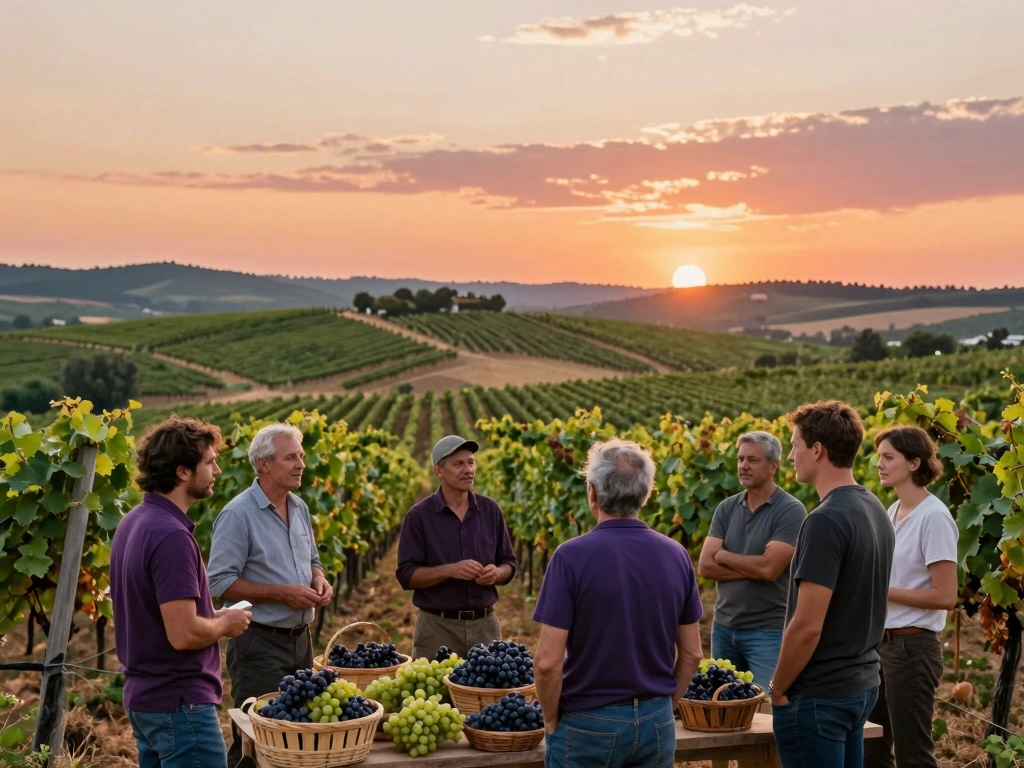
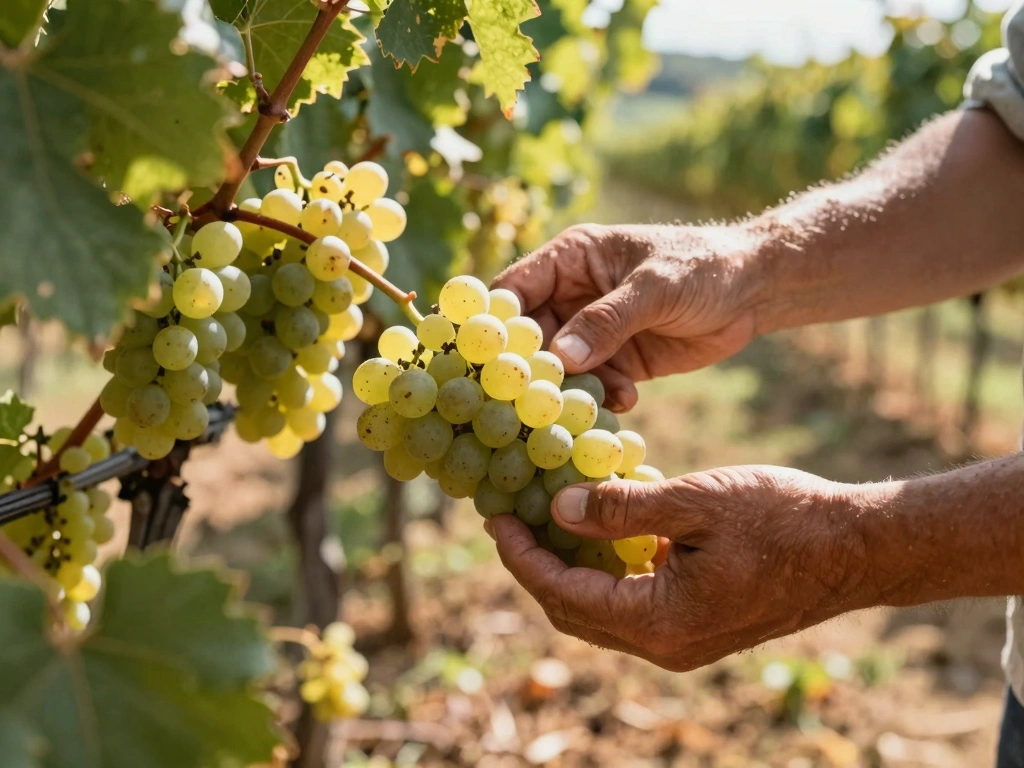
France is often regarded as the birthplace of natural wine, with its rich history of viticulture and diverse terroirs. The movement has gained momentum in recent years, embracing organic farming practices, minimal intervention winemaking, and a focus on terroir. Key regions leading the charge include the Loire Valley, Burgundy, and Alsace, each offering unique expressions of natural wine.
Notable Natural Wine Producers in Bordeaux
Bordeaux, traditionally known for its classic winemaking techniques, has seen a surge of natural producers challenging the status quo. One standout producer is Château La Louvière, which has transitioned to organic methods and employs biodynamic practices, focusing on the authenticity of the terroir. Their Les Terrasses de La Louvière is a brilliant example of a natural blend featuring Merlot and Cabernet Sauvignon, displaying vibrant fruit notes and earthy undertones.
Another notable name is Château de la Rivière. This estate, located in the Fronsac region, utilizes natural fermentation and minimal sulfur additions, producing wines like Fronsac 2016, which showcases the region's characteristic mineral qualities and rich fruit flavors.
Rising Stars of Natural Wine in the Loire Valley
The Loire Valley is a hotbed for natural wine, with a plethora of producers committed to organic and biodynamic practices. One rising star is Domaine de la Taille aux Loups, helmed by winemaker Jacky Blot. His Montlouis-sur-Loire wines, particularly the 2017 Clos de la rue, are celebrated for their complexity and aging potential, reflecting the distinct terroir of the region.
Additionally, Domaine Huet is renowned for its Chenin Blanc, with their Vouvray Demi-Sec offering a rich, textured experience that showcases the balance between sweetness and acidity, a hallmark of natural winemaking.
Natural Wine Innovations in Italy
Traditional Techniques in Italian Natural Wine Production
Italy, with its vast array of indigenous grape varieties and unique terroirs, is a leader in the natural wine movement. Traditional methods like partial carbonic maceration and amphora aging are prevalent among natural producers. This approach emphasizes the purity of the grapes, allowing the wine to express its regional characteristics without manipulation.
Profiles of Pioneering Producers in Tuscany
Tuscany, synonymous with Chianti, is home to several pioneering natural wine producers. Podere Le Ripi, for example, is known for its commitment to organic farming and the use of spontaneous fermentation. Their flagship wine, Le Ripi Brunello di Montalcino, exemplifies the region’s Sangiovese grape, showcasing intense cherry flavors balanced with earthy notes.
Another noteworthy producer is Fattoria La Vialla, which combines biodynamic practices with a focus on sustainability. Their Vigna del Ventaglio is a biodynamic Sangiovese that offers a fruit-forward profile with subtle herbal undertones, embodying the essence of Tuscan terroir.
Emerging Regions for Natural Wine in Sicily
Sicily is emerging as a significant player in the natural wine scene, with its diverse climate and ancient viticultural practices. Passopisciaro, located on the slopes of Mount Etna, is a producer that has gained international acclaim. Their Contrada series, particularly the Contrada Sciaranuova, showcases the volcanic soils and indigenous grape varieties like Nerello Mascalese, resulting in wines with minerality and depth.
Another rising producer is Tenuta delle Terre Nere, which emphasizes organic farming and minimal intervention. Their wines, such as the Etna Rosso, reflect the unique terroir of the region, offering bright acidity and complex fruit profiles.
Natural Wine Trends in Spain
Regions Leading the Natural Wine Movement in Spain
Spain has witnessed a significant shift towards natural wine production, particularly in regions like Catalonia, Navarra, and the Basque Country. The country’s warm climate and diverse grape varieties lend themselves well to the natural wine ethos.
Influential Natural Wine Makers in Catalonia
Catalonia is home to some of the most influential natural wine producers in Spain. Alfredo Maestro, based in the Castilla y León region, has gained recognition for his minimal-intervention wines. His La Cueva is a standout, a blend of Garnacha and Tempranillo that offers a fresh, vibrant character.
Another key player is Domaine de la Costerra, located in the Penedès region, known for its organic Cava production. Their Brut Nature exemplifies the freshness and complexity that natural sparkling wines can achieve, made with minimal sulfur and traditional methods.
Unique Varietals from the Basque Country
The Basque Country is recognized for its unique varietals such as Txakoli, a lightly sparkling white wine. Txomin Etxaniz is a leading producer, known for their Getariako Txakolina. This wine exhibits crisp acidity and a subtle salinity, reflecting the coastal terroir.
Another notable producer is Hiruzta, which focuses on organic practices. Their Hiruzta Txakolina offers a more traditional expression, showcasing the region's indigenous grape varieties and the influence of the Atlantic climate.
Discovering Natural Wine in the United States
Top States for Natural Wine Production
The United States has seen a burgeoning interest in natural wine, with California, Oregon, and New York at the forefront. California, particularly, boasts a diverse array of regions, from Napa Valley to the Central Coast, each contributing unique styles to the natural wine movement.
Innovative Natural Wine Producers in California
In California, Donkey & Goat Winery has established itself as a pioneer in natural winemaking. Their Stone Crusher Roussanne is a skin-contact white wine that displays a rich texture and complex flavor profile, combining notes of stone fruit and herbal nuances.
Another innovative producer is Field Recordings, known for their experimental approach. Their Fiction wine, a blend of various varietals, showcases California's diverse grape growing, offering a playful yet sophisticated drinking experience.
Exploring the Emerging Scene in Oregon
Oregon's natural wine scene has gained traction, especially in the Willamette Valley, known for its Pinot Noir. Crafted by the winemaker at Eyrie Vineyards, their Pinot Noir reflects the region's terroir with vibrant acidity and earthy undertones, crafted with minimal intervention.
Another standout is Oregon Wine Lab, focusing on lesser-known varietals and unique blends. Their 2020 Chardonnay is a testament to their innovative spirit, showcasing a balance of fruit and minerality that highlights Oregon's potential for natural wines.
Natural Wine Profiles from Australia and New Zealand
Regions Championing Natural Wine Practices in Australia
Australia has embraced the natural wine movement, particularly in regions like Victoria and South Australia. Known for its diverse climates and terroirs, Australia produces a wide range of natural wines, often focusing on minimal intervention and organic farming practices.
Noteworthy Natural Wine Producers in Victoria
In Victoria, Innocent Bystander is celebrated for its commitment to sustainability and organic farming. Their Syrah offers a classic representation of cool-climate Syrah, with bright acidity and peppery notes.
Another notable producer is Giant Steps, known for their exceptional Pinot Noir. Their 2008 Sexton Vineyard Pinot Noir showcases the complexity and depth achievable through natural practices, reflecting the unique terroir of the Yarra Valley.
Distinctive Characteristics of Natural Wine in New Zealand
New Zealand’s natural wine scene is gaining recognition, especially in regions like Marlborough and Central Otago. Producers like Black Estate emphasize organic practices and terroir-driven wines. Their Chardonnay is known for its crisp acidity and mineral character, reflecting the region's unique climatic conditions.
Another producer, Kumeu River, is famous for its natural approach to Chardonnay. Their 2019 Estate Chardonnay exemplifies the balance of richness and freshness, showcasing the potential of New Zealand's terroir in natural winemaking.