The Science Behind EV Battery Degradation
Chemical Reactions in Lithium-ion Batteries
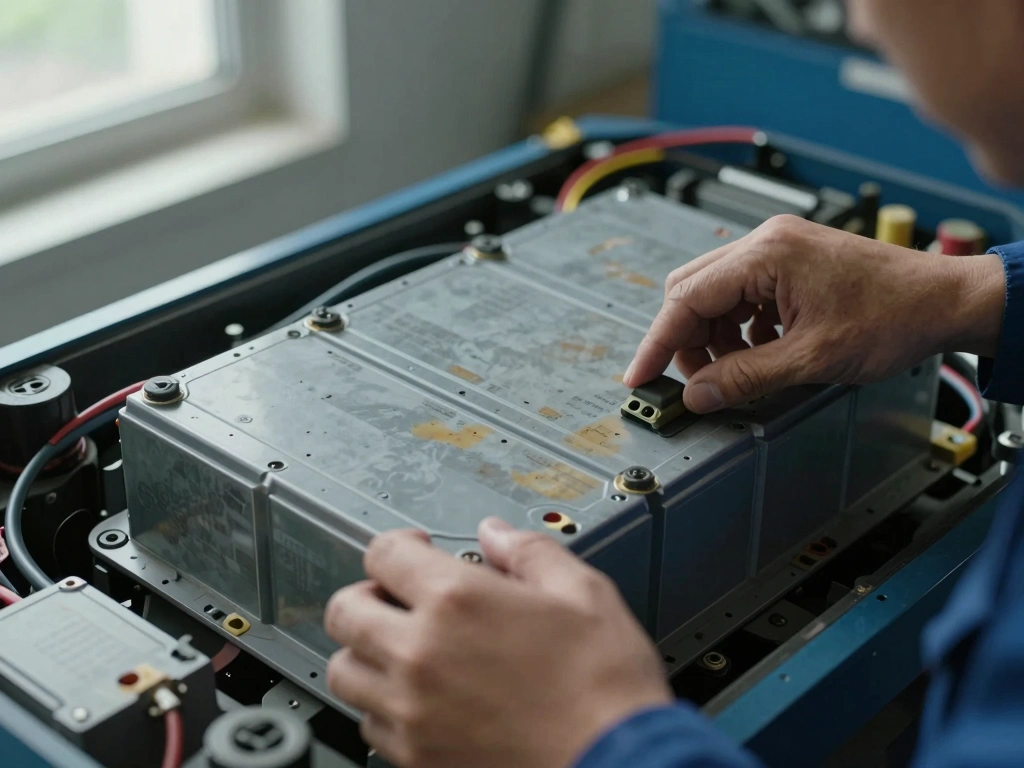
At the heart of most electric vehicles (EVs) lies the lithium-ion battery, a marvel of modern technology that powers these clean-energy vehicles. However, like all technologies, lithium-ion batteries are not immune to degradation over time. Degradation primarily results from a series of complex chemical reactions that occur within the battery.
When a lithium-ion battery charges, lithium ions move from the positive electrode (cathode) through an electrolyte solution to the negative electrode (anode). Conversely, during discharge, these ions migrate back to the cathode. This process is typically efficient, but over time, certain reactions can lead to the formation of unwanted compounds. For instance, the electrolyte can decompose, forming solid electrolyte interphase (SEI) layers that can impede ion flow and thus reduce overall efficiency.
Furthermore, lithium plating can occur at low temperatures or during rapid charging, which can lead to further degradation and even safety risks, such as battery short-circuits or fires. In essence, as these electrochemical reactions continue, the battery’s capacity diminishes, leading to what is commonly referred to as capacity fade.
Factors Influencing Degradation Rates
Several factors influence the rate of battery degradation in EVs. These include:
- Temperature: High temperatures can accelerate chemical reactions, leading to faster degradation. Studies show that for every 10°C increase in temperature, the degradation rate can double.
- Charging habits: Fast charging, while convenient, can induce stress on the battery, leading to quicker degradation. Frequent use of DC fast chargers can be particularly harmful.
- Depth of discharge: Regularly discharging a battery to very low levels can strain its chemistry. Maintaining a charge between 20% and 80% can help extend battery life.
Understanding Capacity Fade Over Time
Capacity fade is a gradual process that occurs as the battery ages. Most lithium-ion batteries exhibit a predictable degradation pattern, often losing about 20% of their capacity after around 1,000 charge cycles, or approximately 2-3 years of typical use. By the time the battery reaches 2,000 cycles, capacity might drop to around 70-80% of its original state. This means that a vehicle with a 60 kWh battery could have only 42-48 kWh of usable capacity after several years, significantly affecting driving range.
To illustrate, a Tesla Model S battery, which originally offers a range of about 370 miles, may only provide around 260-300 miles after several years of use, depending on driving habits and environmental factors. Understanding this capacity fade is crucial for consumers who rely on EVs for daily transportation.
Environmental Impact on Battery Longevity
Temperature Effects on Battery Performance
Temperature plays a crucial role in battery performance and longevity. Lithium-ion batteries operate optimally within a temperature range of 20°C to 25°C (68°F to 77°F). Extreme temperatures, whether hot or cold, can significantly hinder battery efficiency.
High temperatures can lead to thermal runaway, where the battery generates heat faster than it can dissipate it, resulting in capacity loss or even catastrophic failure. Conversely, at low temperatures, lithium-ion mobility decreases, leading to reduced capacity and increased internal resistance. For example, a battery that performs at 100% efficiency at 25°C may only function at 70% efficiency at -10°C, affecting range and performance.
Humidity and Its Role in Degradation
Humidity is another environmental factor that can affect battery life. High humidity levels can accelerate corrosion of battery terminals and connections, while low humidity can lead to the formation of condensation within battery packs. This moisture can create short circuits or promote unwanted chemical reactions that degrade battery materials. Maintaining a stable, moderate humidity level is essential to preserve battery health and ensure longevity.
Impact of Charging Infrastructure on Battery Health
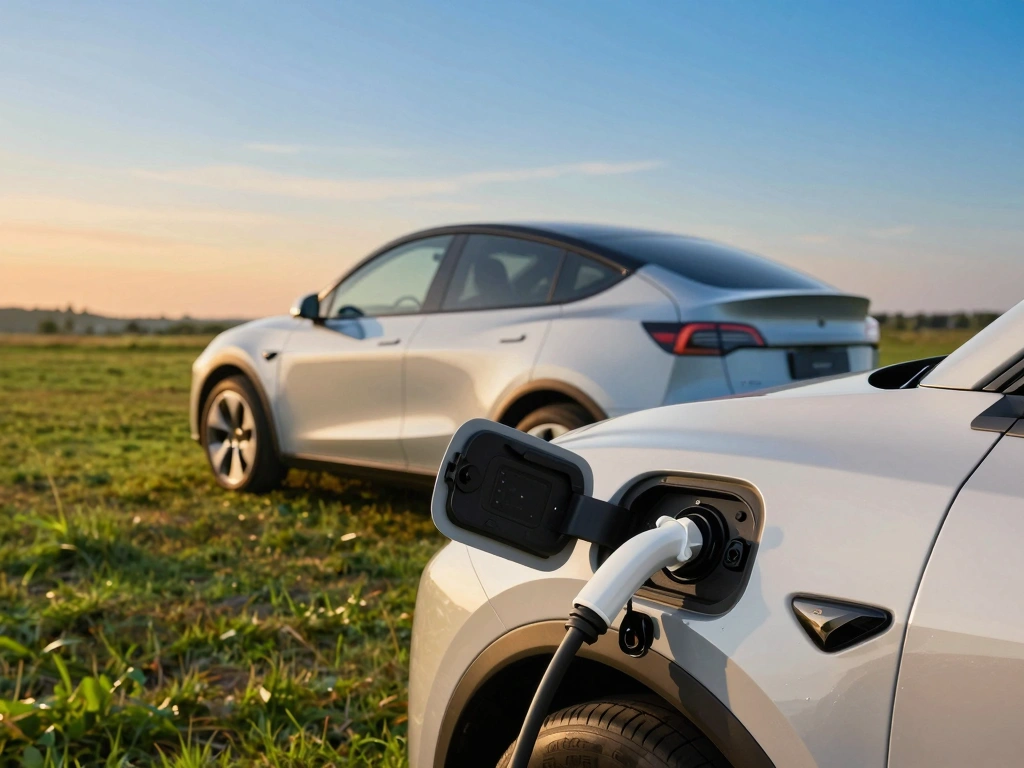
The charging infrastructure available to EV owners can significantly impact battery health. Public charging stations often utilize high-speed DC fast chargers that can charge a vehicle's battery from 20% to 80% in about 30 minutes. While this is convenient, frequent use of such chargers can contribute to faster degradation due to the heat generated during rapid charging.
On the other hand, home charging, especially using Level 2 chargers, allows for slower, more controlled charging. This method not only preserves battery health but also enables users to charge overnight when temperatures are cooler. Implementing smart charging solutions that optimize charging times based on electricity rates and battery condition can further enhance battery longevity.
Driving Habits and Their Influence on Battery Life
How Acceleration and Braking Affect Battery Wear
Driving habits have a direct correlation with battery life and performance. Rapid acceleration and hard braking can lead to increased energy consumption and, consequently, increased wear on the battery. For instance, aggressive driving can reduce the range of an EV by up to 30%. This is due to the fact that high power demands exacerbate battery strain, leading to greater heat generation and potential degradation.
Conversely, smooth acceleration and gentle braking can optimize energy consumption and reduce strain on the battery, extending its life. Adopting a more gradual driving style, often referred to as eco-driving, can help mitigate these effects.
Role of Driving Conditions in Battery Degradation
Driving conditions, such as terrain and traffic, also play a significant role in battery health. Hilly terrain forces batteries to work harder, leading to increased energy consumption. Similarly, stop-and-go traffic can be detrimental, as constant acceleration and deceleration require more energy than maintaining a constant speed.
In contrast, driving on flat roads at a steady speed is less taxing on the battery. For example, a driver who consistently commutes on highways will likely experience less battery degradation than one who frequently navigates city streets with heavy traffic.
Optimal Driving Practices for Battery Preservation
To maximize battery life, EV owners should consider adopting several optimal driving practices:
- Maintain a steady speed: Utilizing cruise control on highways can help reduce energy consumption.
- Avoid rapid acceleration: Gradually increasing speed can minimize energy loss.
- Utilize regenerative braking: This feature, available in many EVs, captures energy during braking, extending range and reducing wear on the battery.
By implementing these practices, drivers can significantly improve battery longevity and overall vehicle performance.
Monitoring and Diagnosing Battery Health
Tools for Assessing Battery Degradation
Monitoring battery health is essential for understanding its degradation over time. Various tools and applications are available for EV owners to assess battery performance. Some manufacturers provide integrated battery management systems (BMS) that give real-time data on battery health, charge cycles, and temperature.
Third-party applications, such as Teslafi and Battery Monitor, also allow users to track their battery's state of health (SoH) and state of charge (SoC). Keeping an eye on these metrics can help drivers anticipate when maintenance or replacement may be necessary.
Interpreting Battery Management System Data
Understanding the data provided by a battery management system can empower EV owners to make informed decisions regarding their vehicle's battery health. Key metrics include:
- State of Charge (SoC): Indicates the current charge level of the battery.
- State of Health (SoH): Represents the overall condition of the battery compared to a new battery.
- Cycle Count: Tracks the number of full charge-discharge cycles the battery has undergone.
By regularly monitoring these metrics, EV owners can gain insights into their battery’s degradation and take proactive measures to extend its lifespan.
Signs of Significant Degradation to Watch For
Being aware of the signs of significant battery degradation can help owners take timely action. Key indicators include:
- Reduced driving range: If the vehicle's range drops significantly compared to initial estimates, it may indicate battery degradation.
- Longer charging times: An increase in the time it takes to charge the battery can signal a loss of efficiency.
- Warning messages: Many EVs are equipped with diagnostic systems that alert drivers to battery issues.
If any of these signs become apparent, it is advisable to consult with a qualified technician to assess battery health and explore potential remedies.
Future Trends in Mitigating Battery Degradation
Advancements in Battery Technology
The EV industry is continually evolving, with researchers and manufacturers working diligently to improve battery technology and mitigate degradation. Emerging technologies such as solid-state batteries promise to revolutionize battery performance. Solid-state batteries replace the liquid electrolyte with a solid electrolyte, potentially increasing energy density and reducing degradation rates.
For instance, companies like QuantumScape are pioneering solid-state battery technology, which could lead to batteries with significantly longer lifespans and faster charging capabilities. This advancement would not only enhance vehicle performance but also address the environmental concerns associated with battery disposal.
Emerging Strategies for Extending Battery Life
In addition to technological advancements, several emerging strategies are being explored to extend battery life. These include:
- Battery conditioning: Preconditioning the battery before charging, especially in extreme temperatures, can improve efficiency and longevity.
- Dynamic charging strategies: Implementing smart charging solutions that adapt charging rates based on battery health and external conditions can help preserve battery integrity.
These innovations aim to tackle the challenges of battery degradation head-on, providing a brighter future for EV technology.
Policy and Incentives for Sustainable Battery Practices
Governments and organizations are recognizing the importance of sustainable battery practices. Policies that promote recycling and repurposing of EV batteries are being developed to minimize environmental impact. For example, initiatives to repurpose old batteries for energy storage in homes or commercial buildings are gaining traction.
Incentives for EV owners who engage in practices that extend battery life, such as using home charging stations or participating in battery recycling programs, can also encourage more sustainable behavior. These policies not only support the longevity of EV batteries but also contribute to a more sustainable transportation ecosystem.